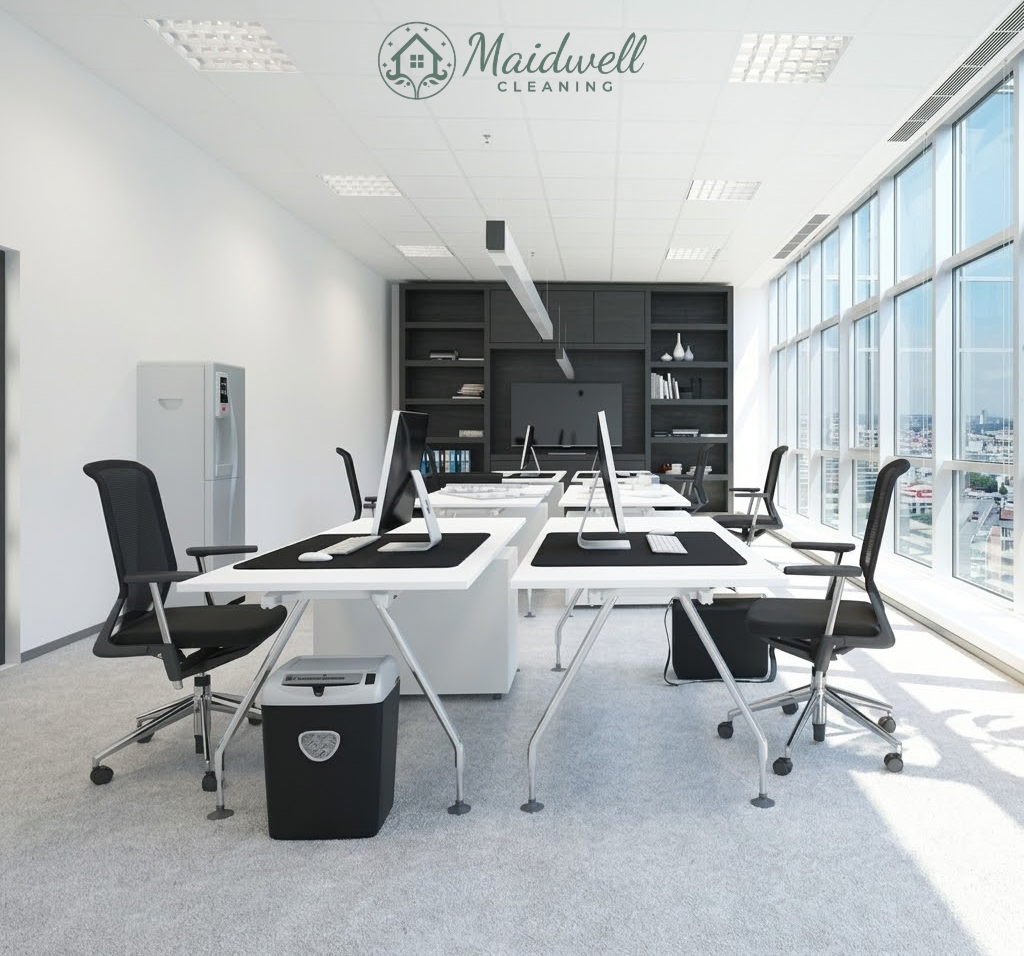
How a Clean and Organized Workspace Improves Focus and Productivity
Keeping your workspace clean is about more than just aesthetics. It sets the stage for clear thinking, calmness, and efficient work. Whether you're managing a bustling office, a co-working space, or a small business, how you clean and organize your area can directly impact performance. If you need dependable office cleaning services or regular maid service to promote a healthier environment, the advantages extend beyond just appearance.
Research and experience in the workplace show that clutter increases distraction, while organized spaces make it easier to focus on essential tasks. Simple changes like reducing visual clutter, improving airflow, and creating better storage systems can lower stress and help teams work faster. For businesses seeking a deeper clean, a scheduled deep cleaning service can tackle hidden dust and buildup that often go unnoticed.
This article delves into the latest trends, expert advice, statistics, and real-world examples demonstrating why workspace cleanliness matters. It also explains how cleaning services can enhance productivity, including practical steps businesses can implement immediately. Along the way, we'll connect this topic to local needs in Asheville and highlight why professional support can make a significant difference.
Why Clean Workspaces Support Better Focus
Clutter Competes for Attention
A cluttered desk or crowded room makes your brain process more information than necessary. Even if you don't consciously notice the mess, your mind is still responding to it. This mental load can make tasks feel harder and slow down decision-making. A tidy workspace reduces these distractions and helps workers concentrate on the task at hand.
That's why businesses often pair regular organization with house cleaning service-style routines adapted for offices and shared spaces. When supplies, paperwork, and surfaces are organized, employees spend less time searching and more time producing. The result is a more efficient daily rhythm that supports better performance across the board.
Order Reduces Stress and Decision Fatigue
People tend to feel calmer in spaces where everything has a place. That order reduces stress because it eliminates small, repeated decisions throughout the day. Instead of asking where an item belongs or whether a surface is safe to use, employees can focus on their actual responsibilities. This is vital in high-pressure environments where every interruption can affect momentum.
The American Psychological Association points out that environmental stressors can impact concentration and well-being, making workspace design crucial for productivity. You can learn more about stress and environment through the American Psychological Association. Clean, organized surroundings don't solve every workplace issue, but they do remove one of the most common sources of daily friction.
Latest Trends Shaping Modern Workspace Organization
Digital Decluttering is Now Part of Workplace Hygiene
Organizing your workspace isn't just about desks and floors anymore. As digital communication grows, inboxes, shared drives, and desktop files can become just as chaotic as physical clutter. Digital decluttering means organizing folders, deleting unnecessary files, and creating simple systems for email and task management. This helps workers find information faster and reduces the frustration of searching through digital noise.
Many companies now treat digital organization as a productivity habit rather than a one-time project. Clean desktop screens, consistent file naming, and shared storage rules can save time every day. When combined with physical organization, these habits create a more complete system for focus and efficiency. Businesses that invest in both often notice smoother communication and less duplicated effort.
Ergonomic Layouts Are Becoming a Productivity Standard
Another significant trend is the shift towards ergonomic workspace design. Adjustable chairs, better monitor placement, and thoughtful desk spacing can reduce discomfort and support mental clarity. When people are physically strained, it becomes harder to stay focused. A workspace that supports posture and movement can improve not only health but also concentration.
The Occupational Safety and Health Administration offers helpful guidance on workplace ergonomics and safe design through its ergonomics resources. Cleanliness and ergonomics work together: a well-organized room allows ergonomic furniture and layouts to function as intended. If cords, files, or supplies are scattered everywhere, even the best setup loses effectiveness.
Wellness-Centered Spaces Are Now Expected
Today’s employees often value work environments that feel healthy, calm, and intentional. That's why many offices now include plants, natural light, designated storage, and clear cleaning standards. These choices support comfort while reinforcing a more professional atmosphere. A wellness-centered workspace sends the message that people matter and that their environment is worth maintaining.
For businesses planning a full reset after renovations or office changes, a post-construction cleaning service can be essential. Construction dust, debris, and residue can linger long after the project is finished, undermining both comfort and productivity. A thorough clean allows the workspace to function as a polished, usable environment from day one.
Expert Insights and Best Practices for Cleaner Workspaces
Build a Mindful Workspace Design
Experts in workplace wellness often recommend creating spaces that encourage calm, rather than chaos. That starts with removing unnecessary items, organizing essentials, and making high-use tools easy to access. Small improvements like labeled storage, cable management, and clear desk zones can have a significant effect on daily workflow. These changes are simple, but they create a more intentional work environment.
Mindful workspace design also includes cleaning routines that are easy to maintain. For example, a team might wipe down shared surfaces at the end of each day, clear out paper clutter once a week, and schedule periodic deep cleaning throughout the year. Professional insight from workplace-focused cleaners, including advice from resources such as mindful workspace research, suggests that routine upkeep is more effective than waiting until disorder becomes overwhelming.
Use a Consistent Maintenance Schedule
Regular maintenance is one of the most important habits for keeping a workspace productive. Daily cleaning should target high-touch surfaces like door handles, shared keyboards, and breakroom counters. Weekly routines can focus on floors, dusting, and supply organization. Monthly or quarterly deep cleaning can address less visible areas such as vents, carpets, and behind furniture.
If your business needs dependable support, recurring office cleaning services help maintain these standards without placing the burden on employees. A structured schedule prevents small messes from becoming long-term distractions. It also helps protect the lifespan of furniture, flooring, and equipment, which is a practical benefit in addition to the productivity boost.
Don’t Ignore the Connection Between Cleanliness and Morale
Workplace cleanliness sends a clear signal about expectations and culture. When employees walk into a tidy environment, they often feel that the organization is attentive, professional, and respectful of their time. That perception can improve morale and even make it easier to focus on customer service or creative tasks. People generally work better when they feel their environment supports them.
This is especially true in smaller businesses where each employee’s output has a noticeable impact. A clean environment supports confidence and can reduce friction among team members. It's much easier to collaborate when shared spaces stay orderly and predictable. For many companies, that alone justifies the investment in professional cleaning support.
Statistics That Show the Productivity Impact
Workers Lose Time When Spaces Are Cluttered
One of the most frequently cited findings about clutter is the amount of time it wastes. According to research shared in workplace productivity discussions, workers can lose 1 to 2 hours each day looking for misplaced items in cluttered setups. That lost time adds up quickly across a week, a month, and an entire year. Even modest improvements in organization can create measurable gains in efficiency.
When supplies are labeled, files are sorted, and surfaces stay clear, the search time drops dramatically. Employees can move from task to task more smoothly, which preserves attention and reduces frustration. This is one reason managers often see immediate benefits after introducing stronger cleaning and organization routines.
Cleaner Spaces Can Reduce Stress-Related Strain
Cleanliness doesn't just influence productivity; it also affects how people feel during the workday. A tidy office can reduce stress and anxiety by making the environment feel more manageable. That calmer state supports better communication and fewer emotional interruptions. In busy workplaces, that can be just as important as speed.
Health authorities emphasize that environment and well-being are closely connected. The CDC’s ergonomics and workplace health guidance reinforces the value of designing workplaces that minimize strain. Clean spaces reduce tripping hazards, improve air quality, and make daily routines more predictable, all of which contribute to a healthier workplace experience.
Productivity Gains Are Often Visible Quickly
Unlike some workplace improvements that take months to measure, cleanliness often produces visible results fast. Teams may notice fewer distractions, smoother meetings, and improved morale within days of a better cleaning routine. Shared spaces become more functional, and employees may feel more motivated to keep them that way. This creates a positive cycle where order supports better habits.
That's why so many employers view professional cleaning as part of operational strategy rather than a cosmetic extra. Clean workspaces create a foundation for better performance, just like reliable technology or good lighting. In a competitive business environment, small advantages matter.
Real-World Examples and Case Studies
Co-Working Spaces Benefit from Shared Cleanliness Standards
Co-working environments depend on flexibility, which also makes them more vulnerable to clutter and wear. Multiple users mean more shared surfaces, more traffic, and more chances for disorder to develop. When these spaces implement regular cleaning and organization routines, they reduce the spread of germs and improve user satisfaction. Members are more likely to return when the environment feels professional and well cared for.
Many co-working managers also find that clear storage and cleaning protocols reduce complaints. Shared printers, kitchen areas, and conference rooms stay easier to use when they are maintained consistently. This creates a better experience for everyone and helps the business protect its reputation.
Corporate Offices See Gains in Morale and Workflow
Corporate settings often show the clearest connection between cleanliness and productivity. When desks are organized, floors are clean, and common areas are maintained, employees can move through the day with fewer distractions. Companies that invest in professional cleaning often report higher morale because workers feel their time and comfort are being respected. That can influence everything from meeting quality to employee retention.
A clean office also helps external visitors form a positive impression. Clients, candidates, and partners often notice the condition of a workplace immediately. A polished environment communicates competence before a single word is spoken. For businesses that want this level of presentation, recurring maid service can help keep the space consistently guest-ready.
Local Asheville Businesses Can Benefit from Tailored Service
For Asheville businesses, local relevance matters because workspaces often reflect the character and pace of the surrounding community. A cleaner, more organized office can support a positive brand image while making the day easier for employees. Local businesses that rely on client visits, collaborative meetings, or hospitality-driven service can especially benefit from well-maintained spaces.
Maidwell Cleaning supports this need with professional cleaning services designed to fit homes, offices, rentals, and renovation cleanup throughout Asheville, NC. Businesses looking for dependable support can also explore location-specific options like Asheville cleaning services to better align care with local expectations and scheduling needs.
How to Create a Productivity-Friendly Workspace
Start with a Cleanup Audit
The first step toward a more productive workspace is a simple audit. Walk through the space and identify the biggest sources of clutter, dust, and disorganization. Focus on what slows people down most, such as overloaded desks, messy storage areas, or shared rooms with no clear system. This process helps you prioritize changes that will have the greatest impact.
From there, decide what should be removed, stored, labeled, or cleaned more often. Many businesses are surprised by how much more usable a space becomes after just one focused decluttering session. If the area needs a deeper reset, a deep cleaning service can provide the foundation for a longer-term organization plan.
Set Simple Rules for Shared Spaces
Shared spaces work best when everyone understands how they are supposed to function. That means creating basic expectations for breakrooms, meeting rooms, supply closets, and common desks. Rules don't need to be complicated. In most workplaces, the best systems are the easiest ones to follow consistently.
For example, employees can be asked to clear surfaces before leaving, return shared items to labeled storage, and report maintenance issues quickly. These habits keep the environment from drifting back into disorder. They also make cleaning easier, which saves time and improves results.
Use Professional Cleaning for the Details That Matter Most
Even a well-organized workspace benefits from expert cleaning support. Dust in vents, buildup in corners, and residue on high-touch surfaces can undermine the overall feel of the office. Professional cleaners help address those details thoroughly and on schedule. That level of care supports hygiene, appearance, and comfort all at once.
Businesses that are remodeling, updating floors, or preparing new rooms should consider a post-construction cleaning service before the area reopens. Construction cleanup is often more complicated than routine maintenance, and it can affect both safety and productivity if handled too late.
Common Questions About Workspace Cleaning
How Often Should a Workspace Be Cleaned?
Most workspaces benefit from daily cleaning of high-touch surfaces, weekly attention to floors and dust, and periodic deep cleaning for hidden buildup. The exact schedule depends on foot traffic, the type of business, and how many people share the space. Offices with customers or frequent visitors may need more frequent service than private work areas.
Consistency matters more than perfection. A routine that is followed reliably will produce better results than an ambitious plan that is difficult to maintain. This is where recurring professional support can be especially valuable.
Can a Clean Workspace Really Improve Productivity?
Yes, and the reason is both practical and psychological. Clean spaces reduce distraction, make tools easier to find, and lower stress. They also create a sense of professionalism and control that can improve how people approach their work. The benefits are most noticeable when cleaning is paired with a thoughtful organization system.
For more on this idea, educational and health-focused resources such as the CDC explain how cleaner environments can support better health and safer habits. In workplace terms, that often translates into fewer interruptions and better sustained attention.
What If Employees Do Not Keep the Space Organized?
That is a common challenge, especially in shared offices. The best solution is usually a mix of simple rules, clear storage, and regular professional cleaning. Employees are more likely to follow systems that are easy to understand and maintain. When organization feels burdensome, it quickly falls apart.
Management can help by making expectations visible and by choosing layouts that reduce friction. If supplies have a dedicated place and cleaning is handled consistently, people are far more likely to cooperate. Small structural changes often work better than repeated reminders.
Why Cleaning Services Matter for Modern Businesses
Professional Cleaners Support Specialized Needs
Different workplaces need different types of cleaning. Offices may need more attention to desks and shared equipment, while retail or hospitality environments may need faster turnover and stronger presentation standards. The cleaning services industry plays an important role by tailoring service plans to those unique needs. That flexibility helps businesses stay productive without stretching internal staff too thin.
For property managers, service providers, and business owners, this can mean choosing between recurring maintenance and specialized one-time cleaning. A short-term rental cleaning plan, for example, focuses on speed and guest readiness, while a corporate office plan focuses more on hygiene, order, and consistency. Matching the service to the environment is the key to getting the best results.
Eco-Friendly Products Add Another Layer of Value
Many companies now prefer eco-friendly cleaning methods because they support healthier indoor air and reduce harsh chemical exposure. This matters in enclosed offices where employees spend long hours each day. A greener approach can fit naturally into a wellness-centered workplace strategy and align with broader sustainability goals.
Cleaners who use careful, detailed methods can help businesses maintain a polished environment without sacrificing comfort. That is especially important in workplaces with sensitive equipment, frequent visitors, or mixed-use spaces. Good cleaning is not only about making things look neat; it is about creating a setting where people can work well.
Conclusion: A Cleaner Workspace Is a Smarter Workspace
A clean and organized workspace improves focus and productivity because it removes distractions, lowers stress, and makes daily work easier to manage. It supports better habits, clearer thinking, and a more professional atmosphere. Whether you're improving a home office, a corporate setting, or a shared commercial environment, the right cleaning routine can make a measurable difference.
If your business is ready to create a healthier, more productive environment, Maidwell Cleaning can help. From office cleaning services to deeper resets and recurring maintenance, our team supports cleaner spaces that work better for the people inside them. Contact Maidwell Cleaning today to build a cleaning plan that keeps your workspace fresh, organized, and ready for success.
To learn more or request service, visit Maidwell Cleaning or reach us at (828) 560-5609. A better workspace starts with a cleaner one.